
Bristol Multi-Day Arrest Blotter
The official BPD Arrest Blotter lists dated Press Arrest Log PDFs, and recent periods often arrive as daily files. Some reports group days. One spanning May 16 through May 18, 2025 covered three days and went out the next morning. The header tells you what each file means. Note its start, end, and run timestamps. Bristol shares arrest history here, not a live jail roster, and the city has no working county sheriff jail portal.
Read Bristol Arrest Logs Correctly
Start with the newest file and work back, keeping the official link handy. That habit catches reports generated after their event window, and it keeps arrest dates from getting confused with publication time.
- Note every PDF date covering the period.
- Read each header's exact “from” and “through” range.
- Save the URL, run time, incident number, arrest date, and court date.
- Compare address, place, agency, and incident details before accepting a name match.
- Check the Judicial Branch docket for disposition.
The Daily Arrest Report tracks just the newest file, while this multi-day approach fills gaps and grouped weekends.
Bristol Arrest Log Fields
A BPD entry gives you the core facts but not the whole case file. Reports leave out a booking number, release time, current facility, and booking photo.
| Field | Meaning |
|---|---|
| Name, race, address | Identity details printed in the entry. |
| Arrest date, time, place | The event, not the report run time. |
| Incident number | BPD's reference for requests. |
| Officer or agency | The attributed police source. |
| Charges | Charges subject to later court action. |
| Bond and court date | Information then, not proof of release or outcome. |
For later steps, the Connecticut criminal case path is the one to use, since a docket, a BPD incident, and a DOC inmate number are all different identifiers.
Bristol Weekend Posting Patterns
The timing varies. One report dated February 28, 2026 did not run until March 2. A June 2 report went out the evening of June 3. An April 16 report ran the next morning instead. Those timestamps mark when BPD generated a file, not when each arrest happened. A late file never means no arrest occurred. News or social posts may beat it out for a big story, though they only cover selected cases.
Bristol Arrest Log Archives
BPD never says how long each PDF stays up. Search the Document Center and the city Archive for older files. Missing something? Ask BPD Records with the date and incident number in hand. Detailed arrest-information reports fall under an adjudication rule. Bristol posts no public booking-photo archive, and the official blotter page carries the local index.
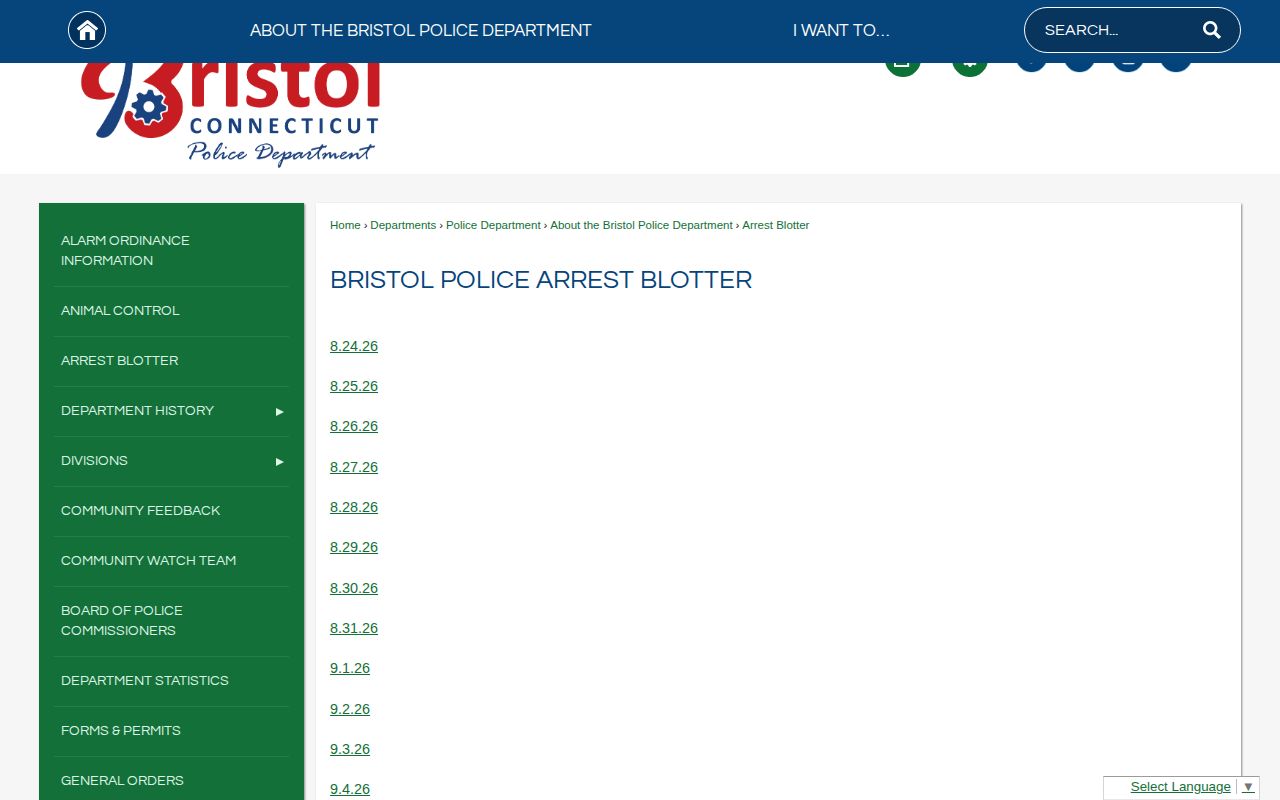
Open each dated link to learn its actual period.
Bristol Arrest News Context
Go to official sources first. The Bristol Edition police tag, CT Insider, and WFSB cover selected cases rather than every arrest. Editorial interest drives what gets printed. Stories can also shift as facts develop. A scene, file, courtesy, or stock image is not a mugshot unless the source calls it a booking photo, and this CT Insider Bristol arrest story shows how event-driven that coverage can be.
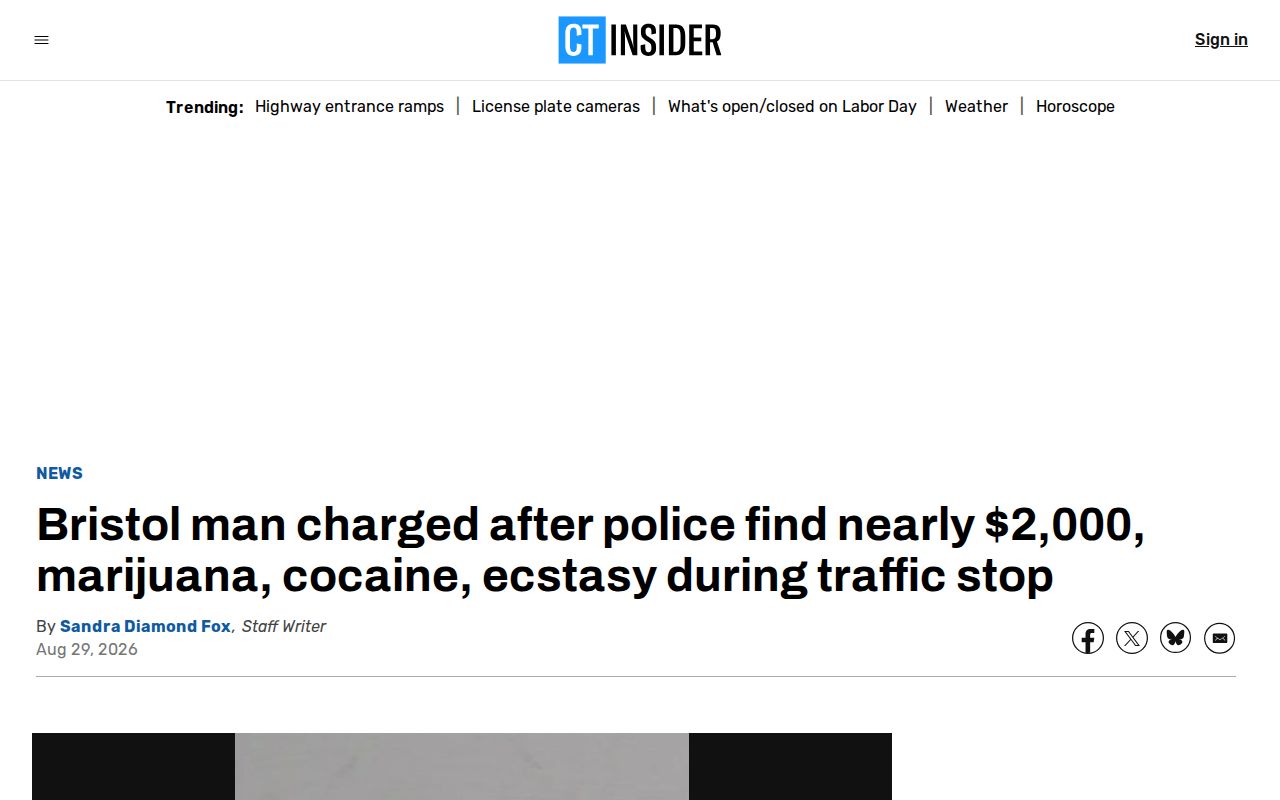
News adds color, but BPD and the court hold the primary records. A WFSB Bristol report offers another example.
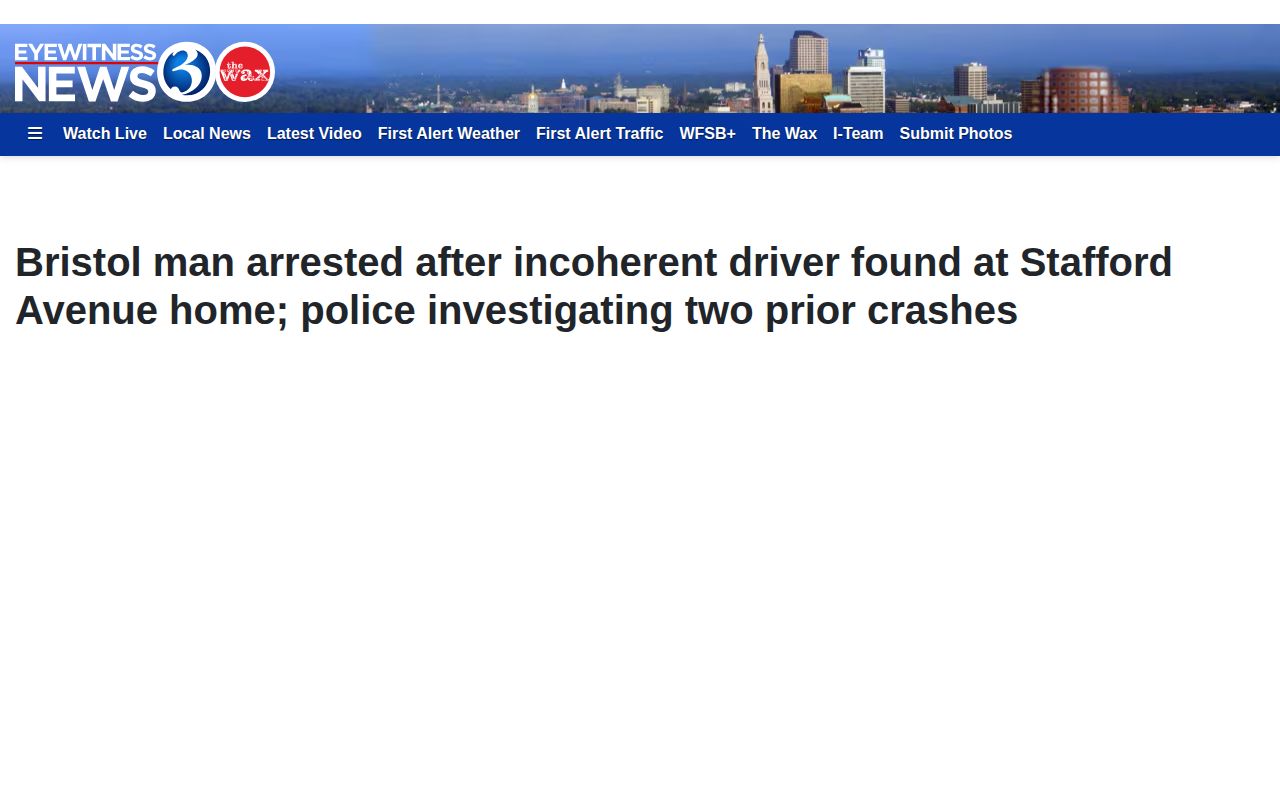
Its generic image shows why news art must not be called a booking photo.
Bristol Arrest Records Have Limits
The log cannot confirm current custody or an active warrant. CT DOC is the source for state custody. The court docket holds the case result, while juvenile, erased, sealed, victim, medical, witness, and protected investigative material may simply be absent.
Not every Bristol arrest record stays on the city site. The daily log is just a front page. Links from the Document Center can outlive a report that drops off the main list, and some older links simply stop working. That does not mean the municipal record vanished. It may still sit in storage.
Connecticut's M7 public-safety schedule spells out the categories. Arrest sheets, booking records, prisoner property papers, bond documents, photographs, and daily blotter entries each count as a defined record series. One case-investigation category, unrelated to deaths, carries a ten-year minimum retention from the reported date, pending destruction approval. Do not read that as a promise that Bristol keeps every PDF online for a decade. The records custodian applies the current schedule plus any exemptions, seals, or erasure rules.
Requesting an archived arrest or booking record takes a few specifics. Name the report period and the record series. Include the BPD incident number if you have it. Ask for the public, non-exempt copy, and ask where the record went once it left the web. Transferred files deserve a destination and a finding-aid reference. The State Archives holds general collections and name indexes, though no public Bristol Police booking-photo collection exists there.
One caution about old copies. An unofficial version can linger after the official index changes, and it cannot confirm detention or an active charge. The responsible agency and the court hold those answers.
The state custody locator plays a narrow part. Use it only when a person plausibly entered Connecticut DOC custody after arraignment. It takes a DOC inmate number or identity fields, and its hints allow a last-name prefix paired with a first name and date of birth. A BPD incident number gets you nowhere there. Someone absent from DOC data may have been released locally, not yet entered, or held by another custody system.
Bond entries deserve similar care. The police log lists an amount and a court date at the time of reporting. It shows no release timestamp. Money may or may not have been posted. Terms can change. The criminal docket and the custody agency hold the real answers.
Third-party sites fill none of these gaps. RecentlyBooked has a Hartford County page claiming a limited recent window, but no Bristol city-local section exists there. BustedNewspaper, Mugshots.com, Arrests.org, and Mugshots.zone likewise carry no Bristol-local page. Relabeling a neighboring county page as Bristol coverage would mislead readers. Connecticut simply does not fit the county-jail mugshot model those sites assume.